Bridal Makeup Trends for the 2026–27 Wedding Season, and How to Choose Your Look
Indian brides today want to look like the best version of themselves, not like someone else. The heavy, cakey, two-shades-lighter base that once dominated wedding albums has given way to skin that looks like skin, eyes that photograph well without looking harsh, and colours chosen to match the outfit and the time of the ceremony. Below are the trends we are seeing most this season, followed by practical advice on choosing and planning your own look.
Trend 1: Skin-First, Breathable Base
The most important part of any bridal look is the base, and the biggest change in recent years is how light it has become. Instead of layering thick foundation, artists now prep the skin well, use a thin layer of long-wear foundation and conceal only where needed. The result looks natural in daylight, holds up under the photographer's flash and does not crack by the time the pheras finish.
The secret is preparation that starts weeks earlier. Hydrated, well-exfoliated skin needs much less product. That is why we always recommend a pre-bridal skin and hair plan that begins at least two to three months before the wedding.
Trend 2: Soft, Diffused Smoky Eyes
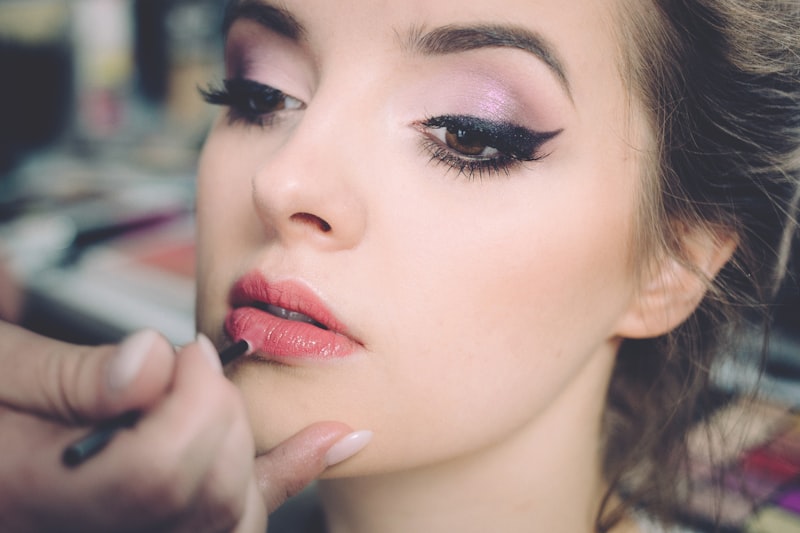
Sharp, black cut-creases are being replaced by softer eyes in brown, bronze, plum and charcoal, blended out with no hard edges. A touch of shimmer on the lid in champagne, rose gold or antique gold catches the light during the ceremony without looking glittery in close-up photos. Kajal is still essential for most Indian brides, but it is smudged and softened rather than drawn in a thick, heavy line.
Trend 3: Draped Blush and Natural Contour
Instead of strong contour stripes, artists are sculpting the face with blush placed high on the cheekbones and blended up towards the temples. Peach, terracotta and rose shades look warm and fresh on Indian skin tones and lift the face in photographs. A light bronzer under the cheekbones adds definition without the muddy look that heavy contour can create on camera.
Trend 4: Long-Wear Lips in Classic Shades
Red and deep berry lips remain favourites for the main ceremony, while nude-pink and rosewood shades are popular for mehndi, haldi and day functions. Transfer-resistant liquid lipsticks and lip stains, topped with a little gloss in the centre, survive eating, drinking and greeting hundreds of guests far better than creamy formulas.
HD Makeup or Airbrush: Which Is Better?
HD makeup uses finely milled liquid and cream products applied with brushes and sponges. It gives good coverage, is easy to build up on areas that need it and suits most skin types, including dry skin. Airbrush makeup sprays a thin, even layer of foundation through a small compressor. It feels very light and lasts well in heat and humidity, which makes it a good choice for oily skin and summer weddings.
Both can look beautiful. The skill of the artist and how well your skin is prepared matter far more than the method. Ask to see real bride photos taken in natural light, not only edited Instagram posts.
Choosing a Look for Each Function
- Haldi and mehndi: fresh, minimal makeup with a dewy base, soft pink or peach blush and tinted lips. These functions are usually in daylight and very candid.
- Wedding ceremony: your fullest look, with longer-wearing products, defined eyes and a lip colour that matches or complements your lehenga or saree.
- Reception: a chance to change the mood with a more glamorous eye, a different lip colour or a modern hairstyle that suits the reception outfit.
Think about lighting too. Evening functions with warm lights can handle more depth and shimmer, while day functions need a softer, more natural finish.
Getting the Shade Right
The most common bridal makeup mistake we fix in old photos is a foundation that is too light. It makes the face look grey or white against the neck and hands, especially under flash. Your base should match the skin on your neck and chest, not the inside of your arm. Ask your artist to check the shade in daylight before the wedding day.
Also be careful with high-SPF foundation and heavily silica-based setting powders on the main day. Under camera flash, these can cause a white cast on the face. Apply your regular sunscreen in the morning, then let the artist choose flash-friendly products for the makeup itself.
Plan a Trial
A trial four to six weeks before the wedding is the best way to avoid surprises. Bring photos of your outfit and jewellery, wear a top in a similar colour, and take pictures in daylight and with flash. Wear the makeup for a few hours to see how it holds up. A good artist will use your feedback to adjust shades, intensity and hairstyle so that on the day, there are no surprises.
Frequently Asked Questions
When should I book my bridal makeup artist?
Book two to four months in advance during the wedding season, especially for popular dates. This also gives time for a trial and a pre-bridal skin plan.
Will my makeup last through the whole wedding day?
With good skin prep, long-wear products and setting spray, a bridal look should last eight to ten hours. Your artist can give you a small touch-up kit with blotting papers, powder and your lip colour.
Should I get a facial just before my wedding?
No. Do your last facial five to seven days before the wedding. A facial the day before can cause redness or small breakouts that are hard to hide.
This article is general information based on our studio experience and is not a substitute for advice from a doctor or dermatologist. If you have a medical condition, allergy or concern, please consult a qualified professional. Read our full disclaimer.
Rishi Verma founded Bombay Beauty & Tattoo in Shajapur and leads the studio's tattoo and hair work. Our guides are written with the studio team from the questions clients ask us every day, and are reviewed by the team member who performs each service. More about our studio.