
Ear and Nose Piercing Guide: Healing Times, Aftercare and Mistakes to Avoid
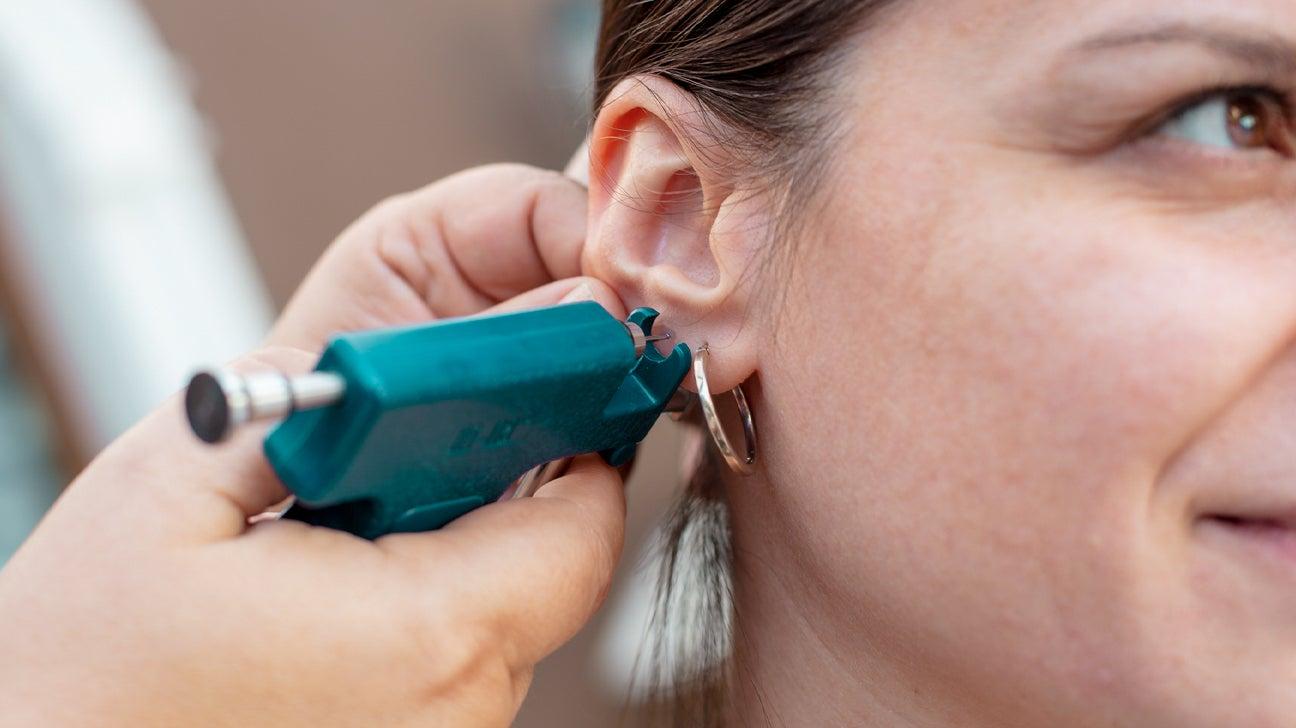
Piercing is one of the oldest forms of adornment in India, from a child's first earrings to a bride's nath. Today people also choose cartilage piercings like the helix and tragus. Whatever you choose, a piercing is a small wound that needs the right jewellery and care to heal well. This guide covers healing times, jewellery, cleaning and the most common mistakes we see.
How Long Different Piercings Take to Heal
- Earlobe: about 6 to 8 weeks.
- Upper ear cartilage (helix, forward helix): about 6 to 12 months.
- Tragus, conch and other inner-ear cartilage: about 6 to 12 months or more.
- Nostril: about 4 to 6 months.
- Septum: about 2 to 3 months.
A piercing can look healed on the outside long before it is healed inside. Treat it gently for the full healing time, even if it feels fine after a few weeks.
Choosing a Safe Studio
Before you get pierced, check that the studio uses sterile, single-use needles or single-use sterile cartridges, wears fresh gloves, cleans and marks the skin before piercing, and lets you check the position in a mirror. Ask what method they use for each type of piercing and why.
For earlobes, many studios use a sterile, single-use cartridge system. For cartilage and nose piercings, a hollow piercing needle is generally preferred, because it creates a clean channel with less pressure on the tissue, which helps healing. A good piercer will explain this and not rush you.
Choose the Right Jewellery
The first piece of jewellery matters more than any cleaning product. Cheap, plated or nickel-containing metals are a common cause of irritation, itching and slow healing.
- Implant-grade titanium: lightweight, nickel-free and the safest option for most people.
- Surgical stainless steel: widely available, but contains a small amount of nickel, so it may not suit people with nickel allergies.
- Solid 14k or 18k gold: fine for healed piercings and many fresh ones, but avoid gold-plated or hollow pieces for initial healing.
- Avoid: artificial jewellery, silver (it can tarnish in a fresh wound) and very tight earrings while healing.
Starter studs are slightly longer than normal to leave room for swelling. Once swelling settles, ask your piercer to fit a shorter post so the jewellery does not catch and move.
How to Clean a New Piercing
- Wash your hands before touching the piercing, every time.
- Clean twice a day with sterile saline solution (0.9% sodium chloride). Spray it on, or soak a clean piece of gauze and hold it gently on the area.
- Gently remove any crust with clean gauze softened in saline. Do not pick it off with your nails.
- Pat dry with a clean paper towel. Cloth towels can carry bacteria and snag the jewellery.
- Let shower water run over the piercing to rinse away any shampoo or soap.
Common Mistakes That Slow Healing
- Twisting or turning the jewellery. This was old advice, but it damages the healing tissue. Leave it still.
- Cleaning with alcohol, hydrogen peroxide, Dettol or strong antiseptics. These kill healthy cells and dry the skin.
- Changing jewellery too early. Wait until the piercing is fully healed, then get the first change done by your piercer.
- Sleeping on a new ear piercing. Use a travel pillow with your ear in the hole.
- Touching it with unwashed hands, or letting phones, hair products, makeup and headphones rest on it.
- Swimming in pools, rivers or the sea during the first few weeks.
Bumps, Redness and Infection
Mild redness, swelling, tenderness and clear or whitish crust are normal during the first weeks. Small bumps next to a cartilage or nose piercing are common too. These are usually irritation bumps caused by movement, pressure or poor-quality jewellery, not keloids. They often settle once the cause is removed, for example by fitting a shorter post or switching to titanium.
See a doctor if you notice spreading redness, increasing pain or heat, thick yellow or green discharge, a bad smell, or fever. Do not remove the jewellery yourself if you suspect an infection; removing it can trap the infection inside. Let a doctor decide.
If you or your family have a history of keloid scars, talk to a dermatologist before getting pierced, as piercings can trigger keloids in people who are prone to them.
Piercings for Children
Earlobe piercings are common for children in India. Choose a time when your child is old enough to cooperate and look after the piercing, use hypoallergenic studs with secure backs and keep an eye on the area every day. Avoid cartilage piercings for young children.
Looking for a piercing in Shajapur? You can book an appointment under Nails & Piercing, or read our tattoo aftercare guide, which follows many of the same healing principles.
Frequently Asked Questions
Can I change my earrings after two weeks?
No. Even earlobes need about 6 to 8 weeks to heal. Changing jewellery too early irritates the piercing and can introduce infection. Cartilage needs many months.
Should I rotate my earrings while they heal?
No. Rotating jewellery disturbs the healing tissue. Clean around it with saline and leave it still.
Is coconut oil or turmeric good for a new piercing?
Avoid home remedies on a fresh piercing. Oils trap dirt, and turmeric and other powders can irritate the wound. Sterile saline is enough.
This article is general information based on our studio experience and is not a substitute for advice from a doctor or dermatologist. If you have a medical condition, allergy or concern, please consult a qualified professional. Read our full disclaimer.
Rishi Verma founded Bombay Beauty & Tattoo in Shajapur and leads the studio's tattoo and hair work. Our guides are written with the studio team from the questions clients ask us every day, and are reviewed by the team member who performs each service. More about our studio.


