How to Make Hair Colour Last Longer: 9 Tips from Our Colour Studio
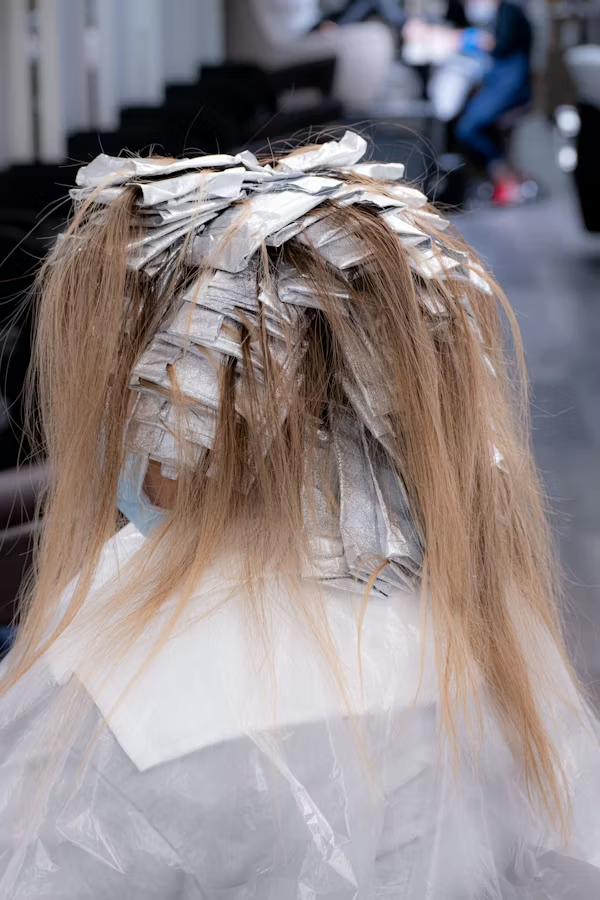
Whether you have global colour, highlights, balayage or a fashion shade, there is nothing more frustrating than watching it fade within a few weeks. Colour fades for predictable reasons: water, heat, sun, harsh products and minerals. Once you understand them, keeping your colour fresh becomes much easier. These are the tips we give every client who leaves our colour chair.
Why Hair Colour Fades
Permanent hair colour works by lifting the outer layer of the hair (the cuticle) and depositing colour molecules inside. Every time the cuticle lifts again, through hot water, harsh shampoo, heat styling or sun, some of that colour escapes. Red, copper and fashion shades fade fastest because their colour molecules are larger and sit less securely. Lightened hair is more porous, so it also loses colour and moisture faster.
1. Wait Before Your First Wash
The cuticle needs time to close fully after colouring. Wait at least 48 to 72 hours before your first shampoo. If you need to rinse sweat out in that time, use plain cool water and a little conditioner.
2. Switch to a Colour-Safe, Sulfate-Free Shampoo
Sulfates are strong detergents that create a lot of lather but also pull colour out of the hair. A sulfate-free shampoo made for coloured hair cleans more gently. Always follow with conditioner, which smooths the cuticle and helps lock in colour.
3. Wash Less Often
Every wash fades colour a little. Try to wash two or three times a week. On other days, use dry shampoo at the roots or simply rinse with water.
4. Turn Down the Water Temperature
Hot water opens the cuticle and lets colour escape. Wash with lukewarm water and finish with a cool rinse to help the cuticle lie flat, which also adds shine.
5. Tackle Hard Water
Calcium, magnesium and iron in borewell water build up on hair and make colour look dull, flat or even greenish on blonde tones. A shower filter helps, as does a final rinse with RO or filtered water. Use a chelating or clarifying shampoo designed for coloured hair once a month to remove mineral build-up.
6. Lower the Heat
High temperatures from straighteners and curling tongs can literally burn colour out of the hair and change its tone. Always use a heat protectant spray, keep tools below 170°C to 180°C, and let your hair air-dry partially before blow-drying.
7. Protect It from the Sun
UV rays break down colour molecules, which is why the top layer of your hair often fades first. Cover your hair with a scarf or cap in strong sun, and look for leave-in conditioners or sprays with UV filters. If you swim, wet your hair with clean water and apply conditioner first, then rinse immediately after. Chlorine can strip colour and turn blonde hair green.
8. Fight Brassiness with Toning Products
When brown or black hair is lightened, it naturally reveals warm orange and yellow tones as the colour fades. A purple shampoo once a week neutralises yellow in blonde and light highlights, while a blue shampoo counters orange in brown and caramel shades. Leave it on for two to five minutes; longer can tint light hair purple.
9. Book Gloss and Toner Refreshes
A quick gloss or toner appointment every six to eight weeks refreshes your shade, removes brassiness and adds shine without a full colour service. For highlights and balayage, this can stretch the time between full appointments to three or four months. Regular conditioning treatments also help, because healthy hair holds colour much better than damaged hair.
Before You Colour: Do a Patch Test
Hair dyes, especially dark shades, can contain PPD (para-phenylenediamine), which causes allergic reactions in some people. These can range from itching to severe swelling. A patch test 48 hours before colouring is the safest way to check, even if you have used the same colour before, because allergies can develop over time. Never use black henna for hair or skin, as it often contains high levels of PPD.
Want to plan a new shade? See our colour work on the hair studio page, or read our summer hair care habits to keep coloured hair healthy in the heat.
Frequently Asked Questions
How does chlorine in pool water affect coloured hair?
Chlorine strips colour and moisture and can turn blonde hair greenish and brown hair brassy. Wet your hair with clean water and apply conditioner before swimming, wear a cap, and rinse right after.
How often should I touch up my roots?
For global colour covering grey hair, roots usually need a touch-up every four to six weeks. Balayage and soft highlights grow out more gracefully and can go eight to twelve weeks or more.
Can I use henna on coloured hair?
It is best to avoid it. Pure henna coats the hair and can react unpredictably with chemical colour and lighteners later. Tell your colourist if you have used henna in the last year.
This article is general information based on our studio experience and is not a substitute for advice from a doctor or dermatologist. If you have a medical condition, allergy or concern, please consult a qualified professional. Read our full disclaimer.
Rishi Verma founded Bombay Beauty & Tattoo in Shajapur and leads the studio's tattoo and hair work. Our guides are written with the studio team from the questions clients ask us every day, and are reviewed by the team member who performs each service. More about our studio.