Laser Hair Reduction: 8 Common Myths and What Actually Happens
Laser hair reduction is one of the most requested treatments at our studio, and also one of the most misunderstood. Some people expect every hair to disappear after a single sitting; others worry that it will damage their skin or cause long-term health problems. Below are the myths we hear most often, and what the science and our own experience actually say.
How Laser Hair Reduction Works
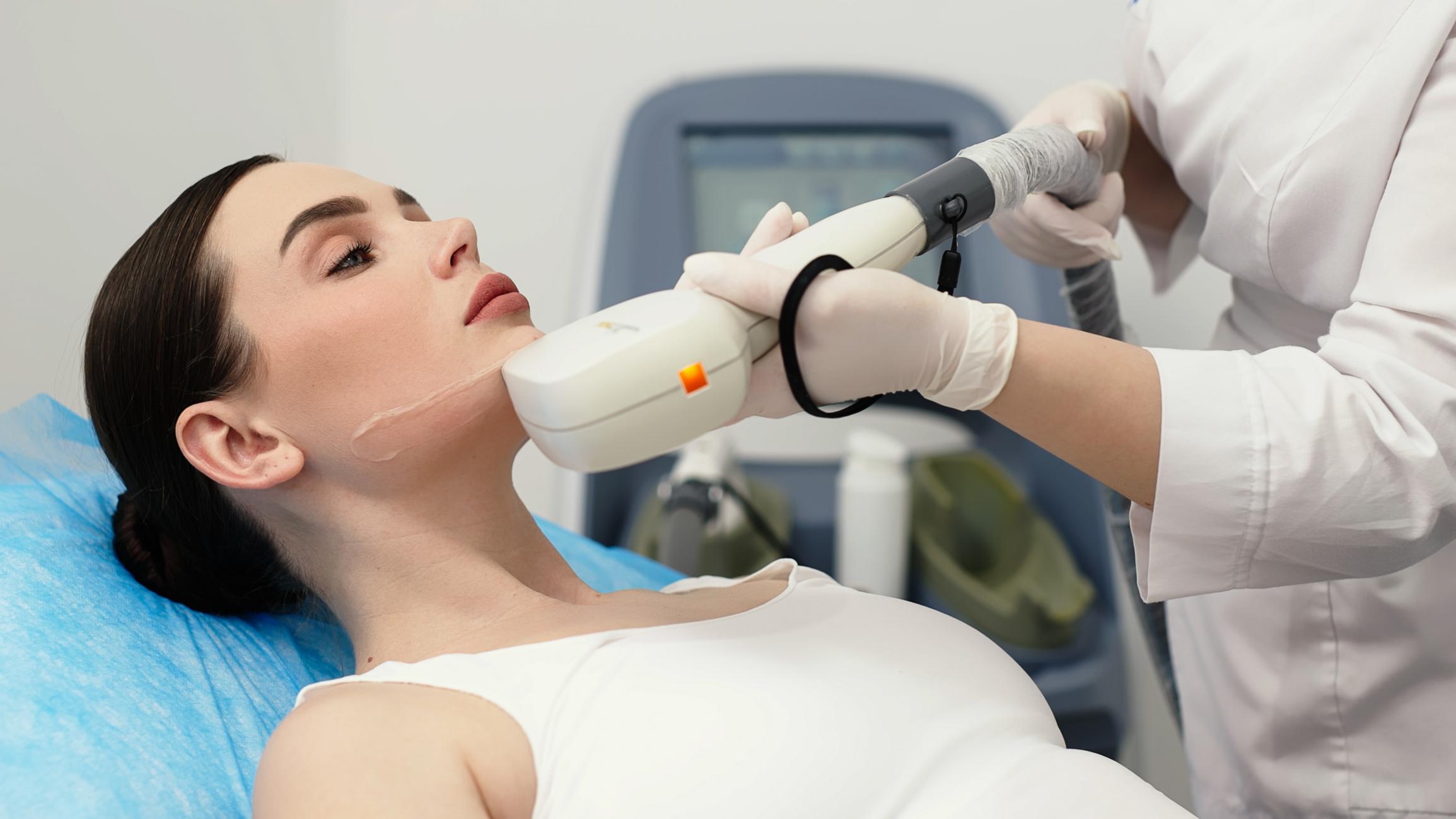
A laser sends light of a specific wavelength into the skin. The dark pigment (melanin) in the hair absorbs this light and turns it into heat. The heat travels down the hair to the follicle and damages the cells that produce new hair. Because the energy targets pigment, two things matter a lot: the contrast between your hair colour and skin colour, and the growth stage each hair is in at the time of treatment.
Myth 1: One Session Removes Hair Forever
Fact: hair grows in cycles. At any one time, only part of your hair is in the active growth phase (anagen), and only those hairs are properly connected to the follicle and respond fully to the laser. That is why a course of six to eight sessions is usually needed, spaced four to six weeks apart on the body and around four weeks apart on the face.
After a full course, most people see a large, long-lasting reduction. The hair that does grow back is usually finer, lighter and slower to appear. Some people, especially those with hormonal conditions such as PCOS, may need occasional maintenance sessions, because hormones can activate new follicles over time.
Myth 2: Laser Does Not Work on Indian Skin
Fact: older lasers had trouble telling the difference between dark skin and dark hair, which increased the risk of burns. Modern diode lasers (808 nm) and Nd:YAG lasers (1064 nm) reach deeper into the skin and are much safer for medium and darker skin tones when the settings are chosen correctly. A careful technician will assess your skin type, do a patch test first and increase the energy gradually over sessions.
Myth 3: It Is Extremely Painful
Fact: most people compare the feeling to the warm snap of a rubber band. Diode machines with contact cooling chill the skin during each pulse, which makes the treatment much more comfortable than waxing. Sensitive areas like the upper lip and bikini line feel sharper, but each session is short. Underarms take around ten to fifteen minutes.
Myth 4: Laser Works on All Hair Colours
Fact: because the laser targets pigment, it does not work well on white, grey, very light blonde or red hair. If most of the hair in an area is grey, laser will not be effective and you should consider other methods. Fine, light facial fuzz also responds poorly, and in some people treating it can even stimulate thicker growth, so it is often better left alone.
Myth 5: Laser Causes Cancer or Infertility
Fact: cosmetic hair-reduction lasers use non-ionising light, which is completely different from X-rays or radioactive radiation. The light reaches only a few millimetres into the skin, down to the hair follicle. It does not reach internal organs and does not alter DNA. As a precaution, we do not treat clients who are pregnant.
Myth 6: You Can Wax or Thread Between Sessions
Fact: waxing, threading, plucking and epilators pull out the hair root, which is exactly what the laser needs to target. Stop these methods at least four weeks before starting laser and do not use them at all during your course. Shaving is fine because it leaves the root in place. Shave the area about 24 hours before each session.
Myth 7: Sun Exposure Does Not Matter
Fact: tanned skin contains more melanin and absorbs more laser energy, which increases the risk of burns and dark patches. Avoid sunbathing and long periods in strong sun for two weeks before and after each session, and apply a broad-spectrum SPF 30 to 50 sunscreen on treated areas every day. If you arrive with a fresh tan, your technician may lower the settings or postpone the session.
Myth 8: Anyone Can Have Laser at Any Time
Fact: laser is not suitable for everyone at every moment. Tell your technician if you are pregnant, have taken isotretinoin for acne in the last six months, use medicines that make the skin sensitive to light, have an active skin infection, cold sores, eczema or open wounds in the area, or have a history of keloid scars. If you are not sure, consult a dermatologist before you start.
Aftercare After Each Session
- Mild redness and small bumps around the follicles are normal and usually settle within a few hours to a day.
- Apply aloe vera gel or a soothing, fragrance-free moisturiser. A cool (not ice-cold) compress helps if the area feels warm.
- Avoid hot showers, saunas, swimming and heavy workouts for 24 to 48 hours.
- Skip scrubs, retinol and exfoliating acids on the treated area for a few days.
- One to three weeks after a session, treated hairs may seem to grow and then fall out. This is normal shedding, not regrowth.
If you notice blisters, crusting or dark patches, contact your clinic straight away rather than waiting for the next session. For more on what we offer, see our laser studio page.
Frequently Asked Questions
Should I shave before a laser appointment?
Yes. Shave the area about 24 hours before your appointment so that the laser energy goes into the follicle instead of burning hair on the surface. Do not wax, thread or pluck.
Can I wax between laser sessions?
No. Waxing removes the root that the laser needs to target. Only shave between sessions.
How many sessions will I need?
Most people need six to eight sessions. Coarse, dark hair on lighter skin responds fastest. Hormonal areas such as the chin and neck may need more sessions and occasional maintenance.
Is laser hair reduction safe for the face?
Yes, for areas like the upper lip, chin, jawline and sideburns. The eye area is never treated directly, and everyone in the room wears protective eyewear during the session.
This article is general information based on our studio experience and is not a substitute for advice from a doctor or dermatologist. If you have a medical condition, allergy or concern, please consult a qualified professional. Read our full disclaimer.
Rishi Verma founded Bombay Beauty & Tattoo in Shajapur and leads the studio's tattoo and hair work. Our guides are written with the studio team from the questions clients ask us every day, and are reviewed by the team member who performs each service. More about our studio.