Tattoo Pain Chart: How Much Does Each Body Part Hurt?
Pain is the question first-timers ask most often, and the honest answer is: it depends on where you get tattooed. Everyone's pain tolerance is different, but the way nerves, bone, muscle and fat are spread across the body is similar for most people. Knowing which areas are more sensitive helps you choose the right spot for your first tattoo, plan how long a session should be and walk in with realistic expectations. The ratings below are on a scale of 1 to 10, based on what our clients tell us most often.
Why Some Areas Hurt More Than Others
Three things make the biggest difference. First, how close the bone is to the surface: skin stretched over bone, such as the ribs, shins and ankles, transmits vibration and feels sharper. Second, nerve density: hands, feet, lips and the inner arm have many nerve endings. Third, skin thickness: thin, delicate skin like the inner elbow and behind the knee is more sensitive than thick skin on the outer thigh or upper back.
Low Pain Areas (2 to 4 out of 10)
- Outer upper arm and shoulder: plenty of muscle and few nerve endings. A favourite for first tattoos.
- Outer forearm: easy to show or cover, heals well and is usually very manageable.
- Outer thigh: lots of muscle and fat, and a large canvas for bigger designs.
- Calf: well cushioned and easy to care for while healing.
These areas are ideal for first tattoos and for longer sessions on larger pieces.
Moderate Pain Areas (5 to 6 out of 10)
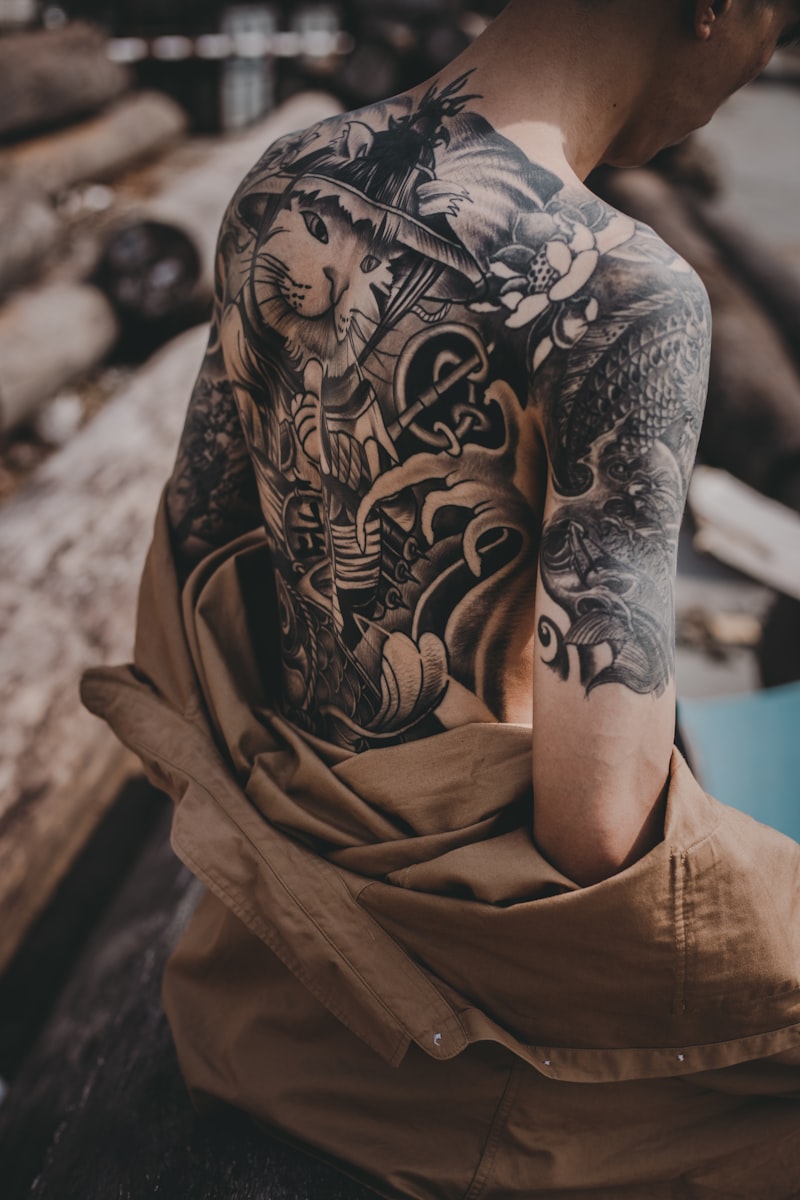
- Upper back and shoulder blades: thicker skin, but the area near the shoulder blade bone can be sharp.
- Inner forearm and inner bicep: thinner, more sensitive skin.
- Wrist: thin skin over tendons and bone, so expect a sharper feel.
- Upper chest: moderate for most people, more intense near the collarbone and sternum.
- Back of the neck: usually bearable, though the area over the spine is sharper.
High Pain Areas (7 to 9 out of 10)
- Ribs: thin skin directly over bone, and your breathing moves the skin. Often rated the most painful spot.
- Sternum and stomach: sensitive, and the skin stretches as you breathe.
- Spine: bone directly beneath the skin causes strong vibration.
- Knees, elbows and the inner elbow: bony, with thin, delicate skin in the folds.
- Feet, ankles and hands: many nerve endings and very little padding. These areas also fade faster.
- Head, face and throat: highly sensitive and generally not recommended for a first tattoo.
What Else Affects Pain
Session length matters: the first hour is usually the easiest, and skin becomes more sensitive as the session goes on. For large pieces, several shorter sessions are often better than one marathon. Line work tends to feel sharper, while shading feels more like a dull burn. Being tired, hungry, anxious, hungover or close to your period can all make pain feel stronger.
Practical Tips to Make Your Session Easier
- Sleep for seven to eight hours the night before.
- Eat a proper meal one to two hours before, and bring a snack and a sweet drink for longer sessions.
- Drink plenty of water the day before. Hydrated skin takes ink better.
- Avoid alcohol for at least 24 hours before.
- Wear loose clothing so you are comfortable and the area is easy to reach.
- Breathe slowly and evenly. Holding your breath makes pain feel worse.
- Use music or a podcast to distract yourself.
- Ask for short breaks. Stretching for a minute helps you reset.
Do Numbing Creams Help?
Topical numbing creams with lidocaine can reduce surface sensation for one to two hours. Some artists are happy to work on numbed skin, while others prefer not to because some creams change the texture of the skin and make it harder to put ink in evenly. Always ask your artist before applying anything, use only products they approve, and never use more than the recommended amount, as large doses of numbing cream can be harmful.
Choosing a Spot for Your First Tattoo
If this is your first tattoo, start with a low-pain area like the outer forearm, upper arm or calf. You will learn how your body reacts, how healing works and what kind of aftercare you need. Then, if you love it, you can go for a more ambitious placement next time. Read our first tattoo guide for everything else you should know, or book a free consultation to discuss your idea with our artist.
Frequently Asked Questions
Which is the least painful place to get a tattoo?
For most people, the outer upper arm, outer thigh and calf are the least painful because they have more muscle and fat and fewer nerve endings.
Do tattoo numbing creams really work?
Lidocaine creams can reduce surface sensation for one to two hours. Always check with your artist first, because not every artist works on numbed skin.
Does getting a tattoo hurt more for women or men?
Research does not show a clear difference. Personal pain tolerance, placement, mood, sleep and session length matter far more than gender.
This article is general information based on our studio experience and is not a substitute for advice from a doctor or dermatologist. If you have a medical condition, allergy or concern, please consult a qualified professional. Read our full disclaimer.
Rishi Verma founded Bombay Beauty & Tattoo in Shajapur and leads the studio's tattoo and hair work. Our guides are written with the studio team from the questions clients ask us every day, and are reviewed by the team member who performs each service. More about our studio.


